Contact Us
Contact Us
- Hits: 2142

Protect nuclear power operations with AI-assisted forensics—analyze event log files offline across plant networks and control environments to identify suspicious engineering changes, unauthorized access to OT segments, and abnormal command sequences affecting reactor-adjacent systems, safety instrumentation, and auxiliary controls, including indicators of AI-assisted attack activity.
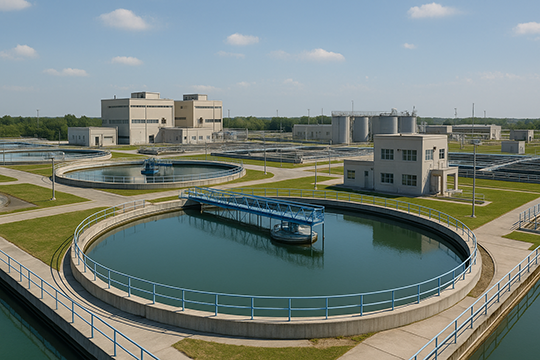
Protect water treatment operations with AI-assisted forensics—analyze event log files offline across treatment networks and control environments to identify suspicious engineering changes, unauthorized access to OT segments, and abnormal command sequences affecting pumps, valves, chemical dosing systems, filtration controls, lift stations, and water quality monitoring, including indicators of AI-assisted attack activity.

Protect electric grid operations with AI-assisted forensics—analyze event log files offline across utility networks and control environments to identify suspicious engineering changes, unauthorized access to OT segments, and abnormal command sequences affecting substations, protective relays, breaker operations, SCADA/EMS systems, and grid monitoring infrastructure, including indicators of AI-assisted attack activity. Click to learn more.

Strengthen incident response with AI-assisted forensics—analyze event logs and evidence offline across enterprise networks, cloud services, endpoints, and security platforms to identify suspicious access activity, unauthorized account use, and abnormal command sequences affecting systems, user accounts, and network infrastructure, including indicators that adversaries may be leveraging AI-assisted attack techniques.

Strengthen financial crime investigations with AI-assisted forensics—analyze accounting records, payment systems, and transaction logs offline across financial platforms to identify suspicious transfers, unauthorized transactions, and abnormal activity affecting corporate accounts, payment processors, and personal banking apps, including indicators of coordinated fraud, theft, or embezzlement schemes. Click to learn more.
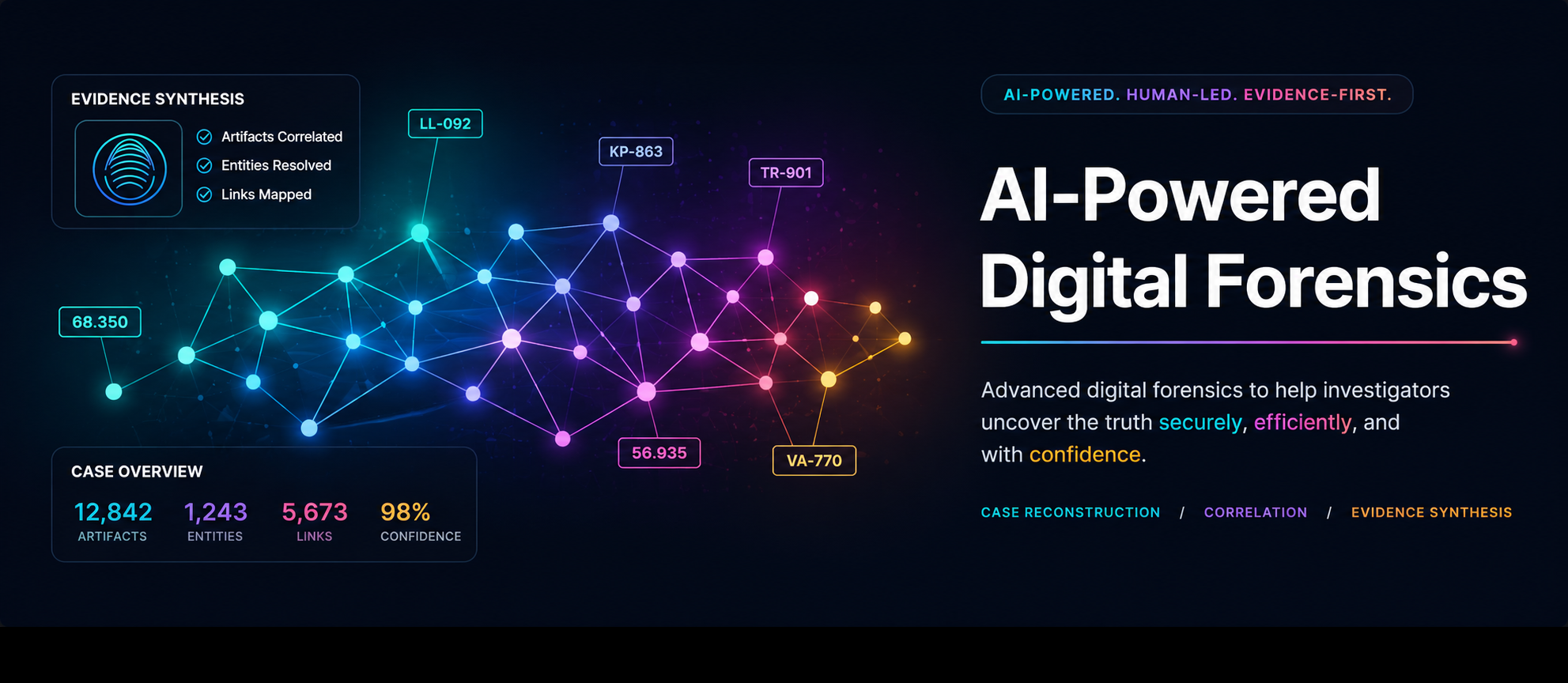
At Digital DNA, we build AI-powered forensic tools for cyber groups and first responders. Our platform helps teams move faster and with greater confidence, from triage and evidence capture to timeline reconstruction and reporting. It preserves provenance and chain of custody, highlights the most relevant artifacts, and ties every finding back to the underlying evidence so conclusions remain defensible. Across our products, we recreate events as they unfolded, giving teams a clear, chronological view of what happened, when it happened, and how the evidence supports it.
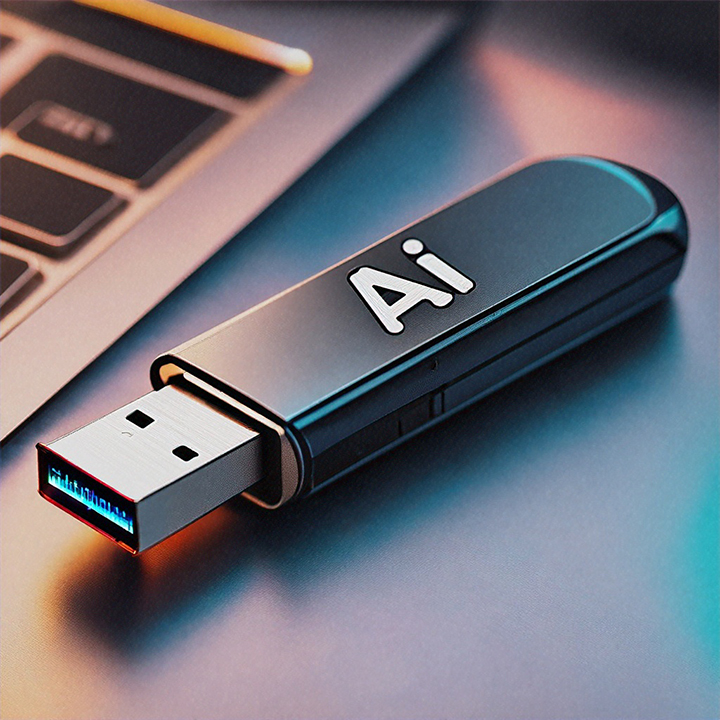

Fetch is a portable AI-powered Mac app for Mac and iPhone collections, built for unlimited local and remote collections without per-collection service fees. Examiners can run collections themselves or send self-running remote collections, saving results locally, to USB, or directly into their own cloud storage. Fetch also includes a case manager, defensible packaging, reporting, chain-of-custody support, and AI profiling tools that help analyze how a computer or phone is being used, giving examiners faster insight while preserving collection structure and metadata.

REMI is an AI-powered investigation platform that helps examiners reconstruct advanced cyber attacks, including AI-assisted and adversarial activity, by correlating artifacts, timelines, user behavior, system activity, communications, and collected evidence across devices and data sources. REMI gives investigators a clearer view of what happened, how systems were used, what data was accessed or moved, and where attacker or insider activity may have occurred, while preserving investigative structure, context, and defensible reporting.
REMI is an AI-powered investigation platform that helps examiners reconstruct advanced cyber attacks, including AI-assisted and adversarial activity, by correlating artifacts, timelines, user behavior, system activity, communications, and collected evidence across devices and data sources. REMI gives investigators a clearer view of what happened, how systems were used, what data was accessed or moved, and where attacker or insider activity may have occurred, while preserving investigative structure, context, and defensible reporting.