Financial Fraud
- Hits: 10
Fetch helps examiners securely collect digital evidence from Macs and iPhones, whether the device is nearby or with a remote custodian. Examiners define what to collect, and Fetch packages the files with supporting reports. For remote Mac collections, custodians use a guided app to collect, encrypt, and upload the results to the examiner’s designated cloud storage—without needing the examiner’s cloud credentials or requiring the examiner to remain online.


Keep every collection connected to its case. Fetch’s Case Manager brings together case details, custodian information, cloud destinations, and collection reports, helping examiners organize local and remote work from setup through review. Search across cases to find custodians and contact details, and keep collected files and supporting reports organized in their designated case folders.
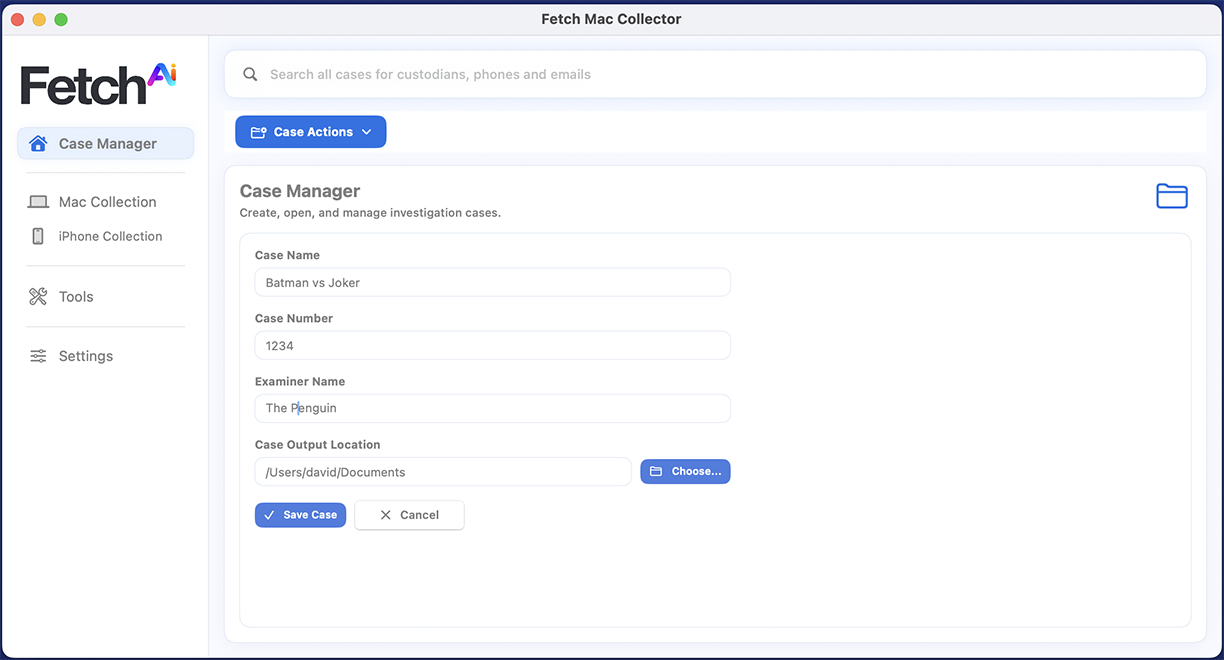
Collect data locally or remotely—with no subscription required.
Fetch gives examiners flexible ways to select computer data: match files by hash, target specific folders, choose predefined file groups, build custom groups, or focus on a particular user account. Drag and drop files and folders for targeted collection, or index and search to find relevant material before collecting it.
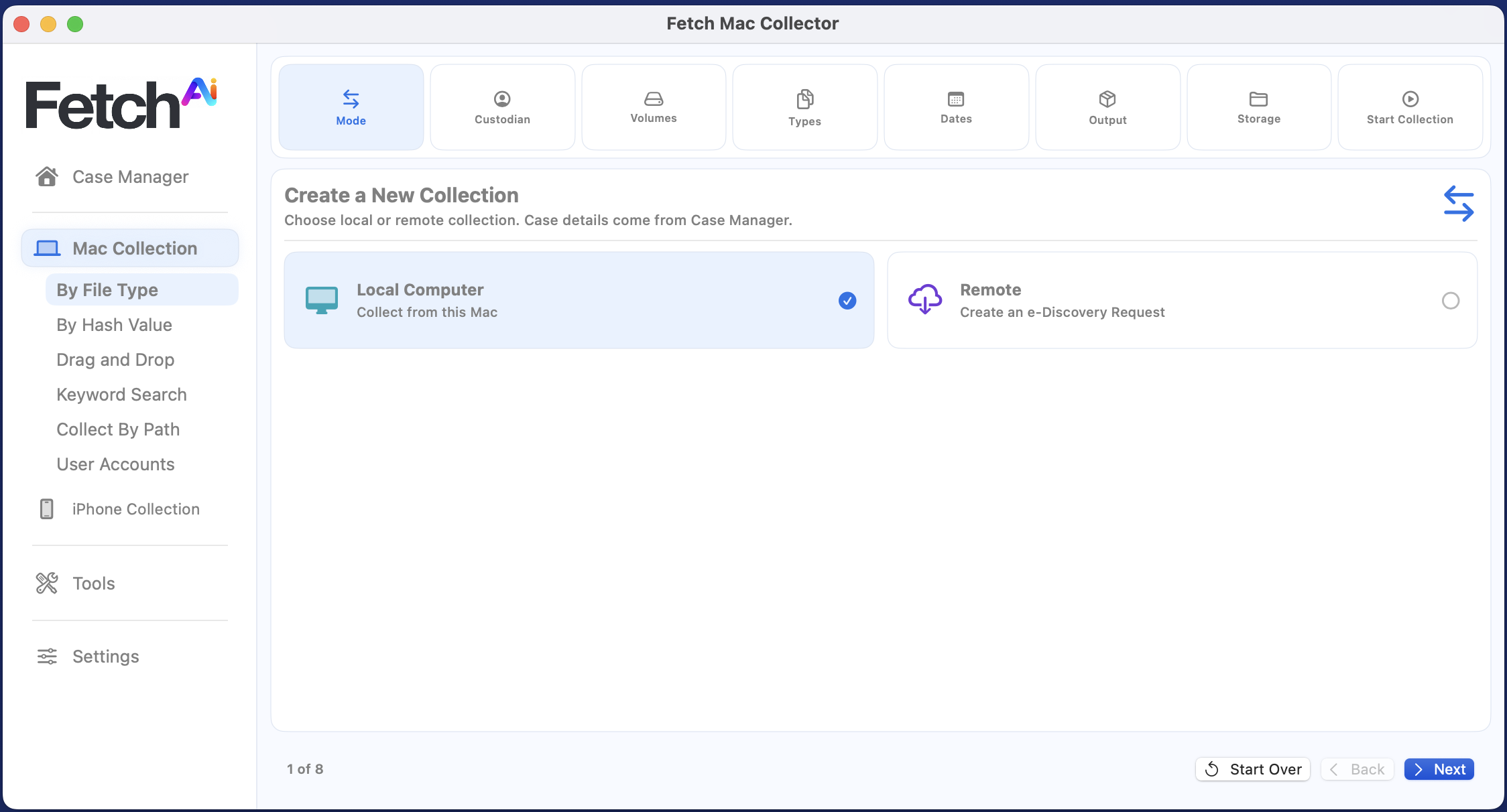
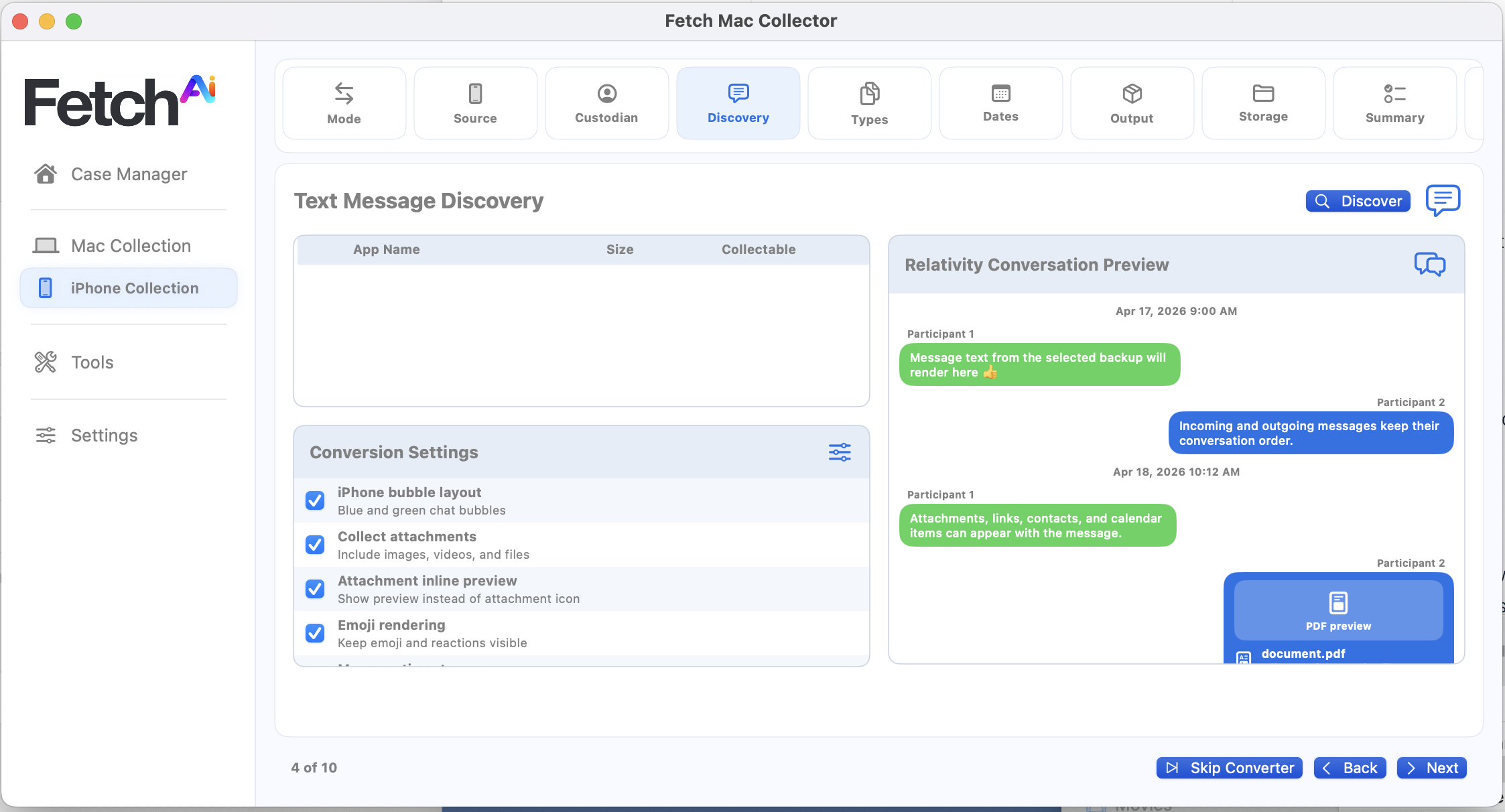
iPhone Collection for Cyber Investigations, Litigation, and Law Enforcement
Fetch performs logical collections of iPhone data for examiners, collecting available event and diagnostic logs for cyber investigations, preserving text conversations and attachments in RSMF format for import into RelativityOne, and producing professional chain-of-custody documentation for law enforcement. Case-organized collection packages and supporting reports keep the collected data documented and ready for review.
Collection options include:

REMI ingests mixed-source logs and records across vendors, platforms, and operational systems. It cleans, normalizes, and analyzes the records to identify how access was achieved, which accounts and devices were involved, where activity moved, what systems were touched, and which records should be preserved for deeper review.
REMI analyzes records across accounts, endpoints, cloud services, VPNs, firewalls, identity systems, operational platforms, industrial environments, and enterprise networks. It identifies flagged behaviors such as unusual sign-ins, command execution, file changes, configuration changes, lateral movement, repeated IPs, and relationships between users, machines, systems, and network activity.
REMI connects related events across disconnected logs and source records, including enterprise systems, industrial platforms, cloud records, endpoints, identity logs, network activity, financial records, access-control systems, and incident files. It builds connected paths showing what happened, how activity moved, which systems were touched, what remains unresolved, and which records support each finding.
REMI turns scattered records into a clear investigation report. It organizes logs, notes, timelines, interviews, artifacts, and source records into a structured narrative that explains what happened, who or what was involved, which systems or records were affected, what records support each finding, and what actions should be taken next.
REMI brings together logs, user activity, system events, cloud records, endpoint data, identity records, operational tools, and vendor records into one unified timeline. It connects related events, repeated indicators, timestamps, accounts, devices, IPs, files, processes, commands, and configuration changes to reveal the sequence of activity.
REMI’s local IP lookup scans case records for IP addresses, removes duplicates, separates private and internal addresses from public ones, and enriches public IPs with flagged-connection context, geolocation, ASN, hosting, domain history, and source-record context. Investigators can see which IPs appeared in the case, where they resolved, which accounts or devices touched them, and which records support the connection.
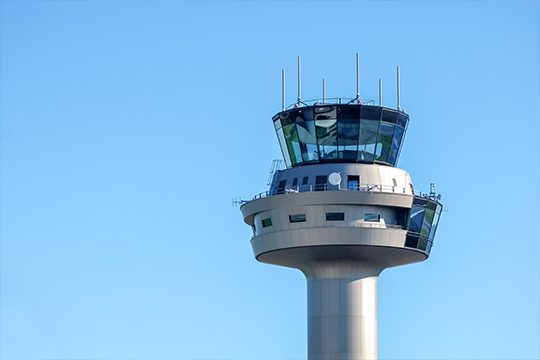
REMI analyzes access-control logs, badge activity, camera metadata, maintenance records, vendor activity, incident reports, and airport-specific network services offline across terminal, airside, baggage, ground-operations, and restricted-facility environments. It identifies what happened, how access was achieved, which people, accounts, devices, systems, and areas were involved, and whether unauthorized access, abnormal movement, suspicious operational patterns, insider misuse, theft, sabotage, compliance violations, or safety risks affected airport operations.
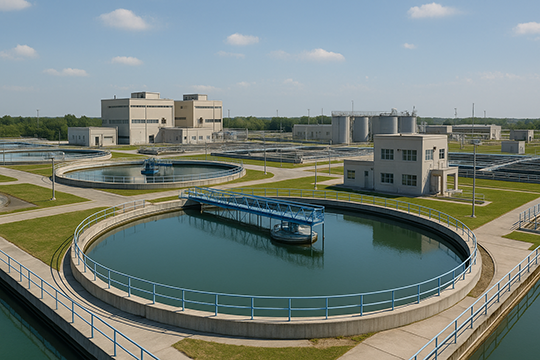
REMI analyzes SCADA logs, PLC and HMI activity, historian records, access-control logs, operator actions, maintenance records, vendor activity, alarms, sensor readings, and incident reports offline across treatment plants, pump stations, lift stations, reservoirs, chemical-feed systems, and distribution environments. It identifies what happened, how access was achieved, which people, accounts, devices, systems, and process areas were involved, and whether unauthorized access, abnormal control activity, suspicious operational patterns, insider misuse, sabotage, compliance violations, or public-safety risks affected water operations.

REMI analyzes SCADA logs, PLC and HMI activity, historian records, access-control logs, operator actions, maintenance records, vendor activity, alarms, sensor readings, engineering workstation activity, and incident reports offline across reactor, turbine, safety, auxiliary, security, and restricted-access environments. It identifies what happened, how access was achieved, which people, accounts, devices, systems, and plant areas were involved, and whether unauthorized access, abnormal control activity, suspicious operational patterns, insider misuse, sabotage, compliance violations, or safety risks affected nuclear operations.

REMI analyzes SCADA logs, EMS/DMS activity, substation and relay records, access-control logs, operator actions, maintenance records, vendor activity, alarms, sensor readings, network telemetry, and incident reports offline across generation, transmission, distribution, substation, control-center, and field-service environments. It identifies what happened, how access was achieved, which people, accounts, devices, systems, and grid assets were involved, and whether unauthorized access, abnormal control activity, suspicious operational patterns, insider misuse, sabotage, compliance violations, or reliability and safety risks affected grid operations.

REMI analyzes bank statements, payment applications, general ledgers, QuickBooks records, NetSuite records, transaction history, account activity, vendor records, invoices, approvals, user activity, alerts, case notes, and incident reports offline across finance, accounting, payroll, procurement, vendor-management, and financial operations environments. It identifies what happened, how money moved, which people, accounts, vendors, customers, entities, transactions, systems, and approvals were involved, and whether fraud, diversion, duplicate payments, account takeover, insider misuse, synthetic identity activity, compliance violations, or suspicious financial patterns affected the organization.

REMI analyzes endpoint logs, EDR alerts, SIEM exports, firewall and VPN logs, identity records, email security data, cloud activity, DNS and proxy logs, file and process activity, command history, malware indicators, case notes, and incident reports offline across endpoints, servers, cloud services, user accounts, applications, networks, and security tools. It identifies what happened, how access was achieved, which people, accounts, devices, systems, files, processes, IPs, domains, and services were involved, and whether malware, credential abuse, lateral movement, persistence, exfiltration, insider misuse, policy violations, or business-impact risks affected the organization.

Airport cyber incident investigations often involve records scattered across enterprise networks, airport operations systems, access-control platforms, badge records, baggage systems, flight-information displays, gate systems, vendor maintenance access, camera metadata, facility-control systems, security tools, and operational event records. REMI AI brings those mixed sources together and generates a cyber SITREP that explains the situation in plain English. It identifies what happened, how access was achieved, which systems were touched, whether airport operations or facility-control activity occurred, where suspicious files or AI-spawned tools appeared, what remains unproven, and which records support the sequence.

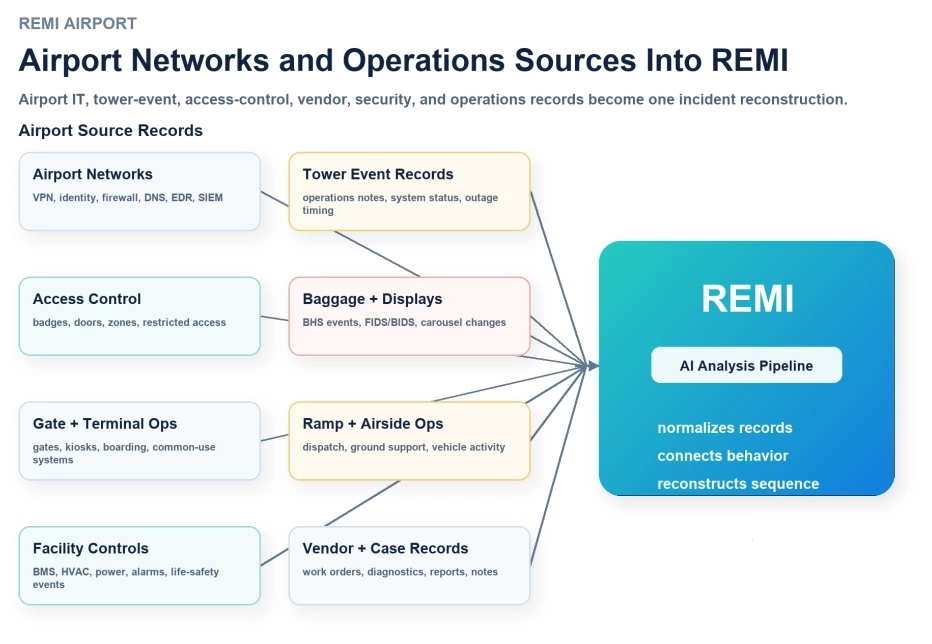
REMI Airport brings together many different airport records into one AI-driven incident reconstruction. Airport network data, tower event records, access-control logs, baggage and display systems, gate and terminal operations, ramp activity, facility controls, and vendor case records all feed into REMI’s AI analysis pipeline.
REMI then normalizes the mixed-format records, connects related behavior across systems, and reconstructs the sequence of events. The result is a unified timeline, a Cyber SITREP identifying affected systems and operational indicators, and prioritized next steps for preservation, review, verification, and follow-up.
REMI is trained to identify adversarial behaviors associated with advanced AI attacks, AI-controlled malware, and hybrid attack patterns across airport and tower system logs. It analyzes suspicious access, out-of-pattern system changes, unexpected communications, and coordinated events to surface behaviors that may indicate staged or AI-assisted attacker activity.

REMI can process hundreds of thousands of data points through its correlation AI engine to reveal the attack story hidden inside the noise.
It connects suspicious logins, unusual system changes, unexpected communications, privilege activity, endpoint signals, and operational anomalies across disconnected systems. What may look like isolated events becomes a coordinated pattern: staged access, adversarial automation, AI-assisted malware behavior, lateral movement, and pre-positioned activity before visible disruption occurs.
Instead of forcing analysts to chase scattered alerts one by one, REMI assembles the evidence into a clearer picture of what happened, where it touched, and which systems may be affected next.
REMI turns correlated evidence into the supported explanation of how the activity unfolded and why the warning signs did not become obvious sooner.
Analysis uses the connected evidence path to explain how access was achieved, how activity moved, which systems or airport areas were affected, why alerts or controls did not tell the full story, what evidence supports each conclusion, and what remains unresolved.
Analysis determined that the incident progressed because vendor_ops_14 established a remote VPN session from 203.0.113.44 and reached the airport IT network at 10.88.14.25. The same vendor account, VPN session window, source IP address, airport-network destination, and firewall flow records later aligned with activity on OPS-DT-09, traffic toward GATE-SUP-04, and access-control records near Terminal B Gate 22.
REMI generates both airport-specific reports and broader incident response reports from the same evidence package. For airport environments, the reports focus on IT, identity, access control, badge activity, camera metadata, gate operations, ramp support, baggage systems, vendor access, maintenance records, and flight-support activity.


, .,m


REMI is trained to recognize the behaviors behind advanced adversarial cyber attacks, not just isolated alerts or known malware signatures. It analyzes event logs, endpoint activity, identity records, VPN sessions, firewall traffic, file activity, commands, scripts, system changes, and operational records to identify how an attack is unfolding across the evidence.
REMI looks for behavior patterns associated with state-sponsored and advanced persistent threat activity, including quiet access, credential misuse, living-off-the-land commands, remote access abuse, lateral movement, tool staging, persistence, data access, configuration changes, and pre-positioning inside critical infrastructure networks. These are the kinds of patterns seen in advanced campaigns, including Volt Typhoon-style activity, where the concern is not always immediate destruction, but stealthy movement, access maintenance, and positioning inside important systems.
Instead of relying on one alert to explain the incident, REMI connects the records that belong together and reconstructs the activity into a clear forensic story: how access was achieved, which systems were touched, what changed, what evidence supports the finding, what remains unresolved, and what responders should do next.
Once REMI Shows You What AI Can Do, You’re Going to Love It. I Guarantee It.